
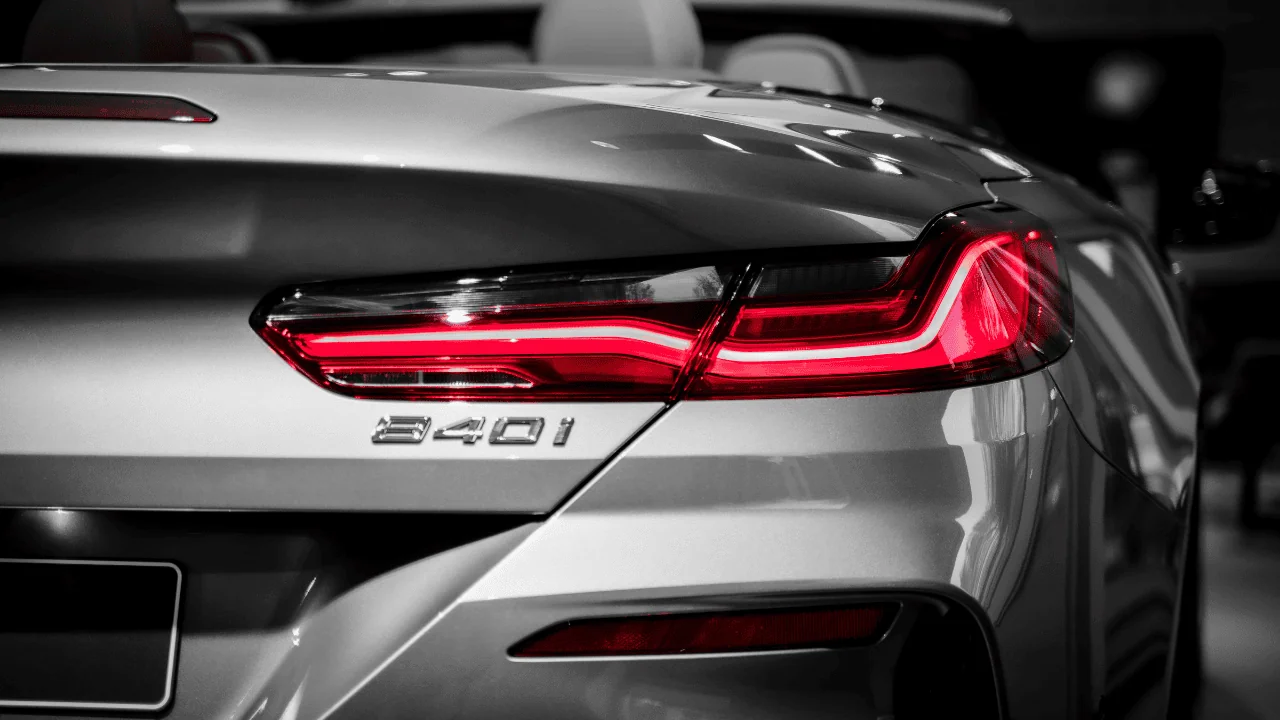
Squealing when you brake, a soft pedal, or a dash light that won’t go off, these are the moments most BMW owners in Encinitas start searching for BMW brake repair. The good news: BMW brakes are predictable and well-documented once you know what you’re looking at. The catch: BMW’s electronic parking brake and brake-wear sensor system mean a routine pad swap can go sideways fast in the wrong hands. Here’s what actually drives cost, what the warning signs mean, and why this isn’t quite the same job as brake service on a non-European car.
In this article:
- Warning Signs You Need BMW Brake Repair
- What’s Actually Wearing: Pads, Rotors, or Calipers
- BMW Brake Repair Cost by Model
- BMW Brake Pad Replacement Cost
- The Electronic Parking Brake Problem
- Why DIY and Quick-Lube Shops Get This Wrong
- The Brake Wear Sensor and Your iDrive Warning
- How Often BMW Brakes Actually Need Service
- What to Expect at Your Visit
- Common Myths About BMW Brakes
- Why Choose California Autohaus
- Encinitas, Rancho Santa Fe, Del Mar, and Solana Beach Driving Conditions
- DIY vs. Professional Brake Work
- FAQ
Warning Signs You Need BMW Brake Repair
Most drivers don’t schedule brake service on a calendar, they schedule it the moment something feels or sounds wrong. Here’s what those signs usually mean:
- High-pitched squealing. Almost always the built-in wear indicator doing exactly what it’s designed to do, telling you the pads are nearing their limit before they damage the rotors.
- Grinding or metal-on-metal noise. The pads are gone and the backing plate is contacting the rotor directly. This is urgent, not routine wear.
- A soft or spongy pedal. Usually points to air in the brake lines or degraded brake fluid rather than the pads themselves.
- A hard, high pedal. Can indicate a vacuum or brake booster issue that needs diagnosis before it gets worse.
- Vibration through the pedal or steering wheel under braking. Classic sign of warped or unevenly worn rotors.
- The brake wear warning on your iDrive display. BMW’s brake pad sensor is telling you directly, no guessing required, that it’s time for service.
If you’re noticing any combination of these, it’s worth getting BMW brake repair scheduled before a routine pad job turns into a rotor and caliper job.
What’s Actually Wearing: Pads, Rotors, or Calipers
Not every brake job is the same repair. Understanding what’s actually worn changes both the cost and the urgency:
- Brake pads are the sacrificial component, designed to wear down and be replaced every 20,000 to 40,000 miles depending on driving style. This is the most common repair we see by far.
- Rotors wear more slowly but can warp from heat cycling, especially with aggressive stop-and-go driving. BMW rotors are often machined to a minimum thickness spec rather than resurfaced, so many rotor replacements happen alongside pads rather than as a separate visit.
- Calipers rarely need replacement on a normal maintenance schedule, but a sticking caliper piston can wear one side of a brake pad unevenly, which shows up as pulling to one side under braking.
A proper inspection identifies which of these is actually driving the noise or feel you’re noticing, rather than assuming every symptom means new pads. On higher-mileage BMWs, it’s also worth checking the condition of the brake hoses and hardware clips, since corroded hardware can cause a pad to wear unevenly even when the pad material itself still has plenty of life left.
BMW Brake Repair Cost by Model
Brake repair cost on a BMW varies meaningfully by model tier, mostly because rotor size, pad material, and caliper design scale with the car’s weight and performance:
- 3 Series and 4 Series. The most common brake job we see, with the most affordable parts pricing of the lineup thanks to high production volume.
- 5 Series and X3. Larger rotors and higher-spec pad compounds push BMW brake repair cost moderately above the 3 Series range.
- X5, X7, and 7 Series. Heavier vehicles need larger rotors and often larger calipers, which increases both parts and labor time for the job.
- M models and M Sport packages. Performance brake calipers, larger multi-piston setups, and higher-spec pads make this the highest end of BMW brake repair cost, but they’re also engineered to handle repeated hard stops without fading.
Front brakes typically wear faster than rear brakes on most BMWs, since front brakes handle the majority of stopping force, so a BMW brake repair quote often prices the axles separately.
BMW Brake Pad Replacement Cost
Since BMW brake pad replacement cost is the specific number most owners are trying to nail down, here’s the honest breakdown: the pads themselves are a relatively small part of the total. What drives the number up or down is whether rotors need replacement alongside the pads, whether it’s OEM or OE-equivalent parts, and whether the electronic parking brake needs to be serviced as part of a rear brake job.
A front pad-only job on a 3 Series is the lowest end of BMW brake pad replacement cost. Add rotors, move to a larger model, or service the rear axle with its electronic parking brake, and the number climbs from there. We always quote parts and labor separately so you can see exactly what’s driving the total, rather than one bundled number.
The Electronic Parking Brake Problem
This is the single biggest reason BMW brake repair isn’t a job for a generalist shop or a confident DIYer without the right tools. Most BMWs built in the last decade use an electronic parking brake (EPB) on the rear axle instead of a traditional cable-actuated parking brake. The rear calipers physically retract and extend using a small electric motor.
Before the rear pads can be safely removed, the caliper has to be put into a software-controlled service mode that retracts the motor and releases clamping force. Skip this step, and you risk damaging the caliper motor, stripping the actuator, or simply being unable to remove the caliper at all. This single detail is why rear BMW brake repair specifically requires the correct diagnostic software, not just a floor jack and a socket set.
Why DIY and Quick-Lube Shops Get This Wrong
Front brake pads on a BMW are genuinely DIY-friendly for an experienced home mechanic, no different from most cars. Rear BMW brake repair is where things go wrong for both DIYers and quick-lube chains that don’t carry BMW-specific diagnostic tools:
- No EPB service mode access. Without BMW-specific software, the rear calipers can’t be safely retracted, full stop.
- Wrong brake fluid. BMW specifies DOT 4 brake fluid with a specific boiling point rating. Using the wrong fluid can affect pedal feel and long-term seal life.
- Skipping the bleed procedure. Some brake jobs, especially anything touching the hydraulic lines, need a specific bleed sequence that a generic bleeder tool doesn’t follow correctly.
- Not resetting the service indicator. BMW’s maintenance computer tracks brake wear electronically. Skip the reset and your dash keeps warning you even after fresh pads are installed.
None of this means the job has to be expensive or mysterious, it just means the rear axle in particular needs the right equipment, not just the right parts.
The Brake Wear Sensor and Your iDrive Warning
BMW builds a small sensor into the front brake pads (and sometimes rear, depending on model) that completes an electrical circuit as the pad material wears down. When the sensor contacts the rotor, it breaks the circuit and triggers the brake wear warning on your iDrive display. This is a genuinely useful feature, it means you rarely get surprised by brake wear the way you might on a car without sensors, but it also means the warning light itself is a reliable, direct signal that BMW brake repair is due, not a false alarm to ignore.
How Often BMW Brakes Actually Need Service
Front pads on most BMWs last somewhere between 20,000 and 40,000 miles, with rear pads often lasting longer since they handle less stopping force. Aggressive city driving, frequent stop-and-go traffic, and towing all shorten that interval. Highway-heavy driving with fewer hard stops extends it. Rather than relying purely on mileage, the wear sensor and a visual inspection during routine maintenance are the most accurate way to know when BMW brake repair is actually due.
Brake fluid is worth tracking on its own schedule, separate from pad wear. Most manufacturers, BMW included, recommend flushing brake fluid roughly every two years regardless of mileage, since brake fluid is hygroscopic and absorbs moisture from the air over time. Moisture in the fluid lowers its boiling point, which can lead to a spongy pedal under hard or repeated braking, exactly the kind of heat cycling you’d get on a long descent from Rancho Santa Fe or a string of hard stops in beach traffic. A fluid flush is a small, inexpensive step that protects the more expensive components downstream.
What to Expect at Your Visit
When you bring your BMW in for brake repair, we start by measuring remaining pad thickness and rotor condition on all four corners, not just the axle you’re concerned about. We check brake fluid condition and moisture content, since BMW-spec DOT 4 fluid absorbs moisture over time and can affect pedal feel long before a warning light appears. If the rear axle needs service, we use BMW-specific diagnostic software to put the electronic parking brake into service mode before touching the calipers. Once the job’s done, we reset the brake service indicator so your dash accurately reflects the new components.
Common Myths About BMW Brakes
Myth: “Squealing always means the pads are completely gone.” Usually it means the wear indicator is doing its job early, giving you a window to schedule service before it becomes urgent grinding.
Myth: “Any shop can do BMW brake repair, brakes are brakes.” Front pads, sure. Rear brakes with the electronic parking brake need BMW-specific software to service safely.
Myth: “Ceramic pads are always the right upgrade.” They’re quieter and produce less dust, but BMW’s OE pad compound is already matched to that model’s rotor material and caliper design. The right choice depends on your driving style, not a blanket upgrade.
Why Choose California Autohaus
We built our shop around European vehicles, which means BMW brake repair here includes the BMW-specific diagnostic software needed to safely service the electronic parking brake, not just a generic scan tool. That’s the difference between a rear brake job done right the first time and a comeback visit. We quote parts and labor separately, use BMW-spec fluid and pad materials, and reset your service indicator as a standard part of every BMW brake repair.
Encinitas, Rancho Santa Fe, Del Mar, and Solana Beach Driving Conditions
Local roads matter more for brake wear than most drivers realize. Encinitas and the surrounding coastal communities mix stop-and-go corridors like Highway 101 with the hillier inland routes toward Rancho Santa Fe, where longer descents put sustained heat into the rotors and pads. Coastal towns like Del Mar and Solana Beach add salt-air corrosion into the mix, which can accelerate rust on rotors and hardware even when the pad material itself still has life left. If you’re driving a BMW regularly through any of these areas, it’s worth having brakes inspected slightly more often than the manufacturer’s baseline interval suggests.
DIY vs. Professional Brake Work
Front brake pad replacement is a reasonable DIY job for an experienced home mechanic with the right tools and a torque wrench. Where DIY BMW brake repair gets risky is anything involving the rear axle’s electronic parking brake, the hydraulic bleed procedure, or resetting the service indicator. Getting any of these wrong doesn’t just cost more to fix later, in the case of the EPB, it can damage the caliper motor entirely.
Frequently Asked Questions
How much does BMW brake repair typically cost?
It depends heavily on model, whether rotors need replacement alongside pads, and whether the rear axle’s electronic parking brake needs service. We provide itemized quotes so you can see exactly what’s driving the total for your specific BMW.
What is BMW brake pad replacement cost usually based on?
Primarily model tier, whether rotors are replaced at the same time, and front versus rear axle, since the rear axle’s electronic parking brake adds a service step the front axle doesn’t need.
Why does my BMW need special tools for rear brake repair?
Most BMWs use an electronic parking brake on the rear axle. The caliper has to be put into a software-controlled service mode before the pads can be safely removed, which requires BMW-specific diagnostic software.
Is squealing always a sign I need BMW brake repair right away?
Usually it means the built-in wear indicator is doing its job, giving you a window to schedule service. Grinding, by contrast, means the pads are already gone and it’s urgent.
Can I do BMW brake repair myself?
Front pads are a reasonable DIY job for an experienced home mechanic. Rear brakes with the electronic parking brake are riskier without BMW-specific software to service the caliper motor correctly.
How often should BMW brakes be inspected?
Front pads typically last 20,000 to 40,000 miles depending on driving style, with rear pads often lasting longer. A visual inspection during routine maintenance is the most reliable way to catch wear early.
Does BMW brake repair include resetting the dashboard warning?
It should. BMW’s maintenance computer tracks brake wear electronically, so the service indicator needs to be reset after new pads are installed or the warning will keep appearing even with fresh brakes.
What brake fluid does a BMW require?
BMW specifies DOT 4 brake fluid with a particular boiling point rating. Using the wrong fluid can affect pedal feel and long-term seal life.
Do you service BMWs from Rancho Santa Fe, Del Mar, and Solana Beach?
Yes, we regularly perform BMW brake repair for drivers throughout Encinitas and the surrounding coastal and inland communities.
How long does a typical brake job take?
A straightforward front pad replacement is usually a same-day job. Add rotor replacement, a rear axle with the electronic parking brake, or a full fluid flush, and the appointment runs longer since each of those steps has its own procedure to do correctly.
According to the Car Care Council, pulling to one side, unusual noise, or a dashboard warning light are all signs a brake system needs professional inspection, exactly the signals that should prompt BMW brake repair sooner rather than later.
Quick Reference: BMW Brakes
Squealing usually means the wear indicator is working as designed. Grinding means the pads are gone and it’s urgent. A soft pedal points to fluid or air in the lines, not the pads themselves. Front brake pad replacement is DIY-friendly for an experienced home mechanic, but rear BMW brake repair needs BMW-specific software to service the electronic parking brake safely. BMW brake pad replacement cost depends mainly on model tier and whether rotors are replaced alongside the pads.
Bringing It All Together
Whether it’s a squeal you’ve been ignoring for a few weeks or a grinding noise that showed up yesterday, BMW brake repair is one of those jobs where getting it done right the first time matters more than getting it done fast. The electronic parking brake on most modern BMWs means the rear axle specifically needs the correct diagnostic software, not just the right parts.
Need BMW brake repair in Encinitas? California Autohaus specializes in BMW repair and maintenance, with the factory-level diagnostics needed to service the electronic parking brake correctly and reset your service indicator every time. Schedule your visit today.